A Designer's Take on Labor Day Celebration Greeting Cards
When I first open a new embroidery file, I'm looking beyond the screen. I’m picturing how it will live on fabric, how it will feel in a customer's hands, and whether it will solve a creative problem for my work or my clients. Today, I’m evaluating the Labor Day Celebration Greeting Cards design from that very practical standpoint.
The Immediate Impression: A Balanced, Community-Focused Mood
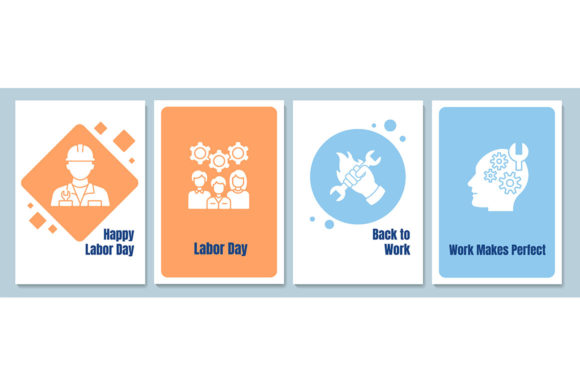
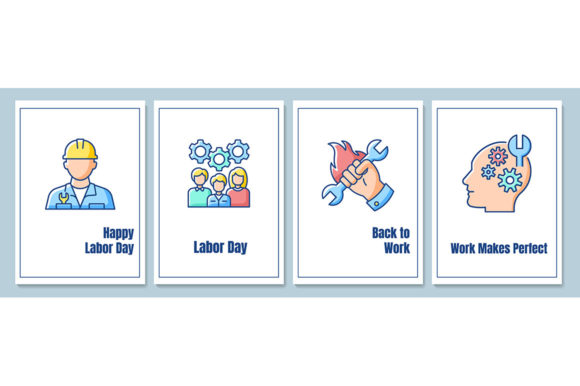
Right away, this design sets a tone. It’s not overly loud or solemn; it strikes a warm, celebratory note of recognition. The layout, with its decorative icon set and congratulatory message, feels like a unified graphic—a complete greeting card translated into a vector format. This is a strength for embroidery, as it means the elements are designed to work together visually. The level of detail appears clean and illustrative, not overly intricate, which suggests it will translate well into stitches without losing its personality.
My mind goes to a real project: a custom embroidered tote bag for a small business owner to gift to their team. The design’s theme of recognizing the labor movement feels apt and respectful, creating a product that conveys appreciation rather than just a generic holiday logo.
Where This Design Naturally Belongs in Embroidery
This isn't a design I'd throw onto just anything. Its composition and message give it a natural home in specific projects. I envision it excelling on items meant as gifts or commemorative merchandise.
- Apparel for Small Businesses: Embroidered on the left chest of a company polo or sweatshirt for a Labor Day event. It builds brand consistency while honoring the occasion.
- Personalized Holiday Gifts: A nicely stitched patch or directly embroidered onto a premium kitchen towel or apron as a thoughtful gift.
- Craft Business Products: For Etsy sellers or makers at craft fairs, this could be a standout motif on a tote bag, pillow cover, or a simple framed embroidery hoop art piece.
- Baby Items and Nursery Decor: On a little onesie or a blanket, with softened thread colors, it could become a unique, heritage-style gift from a working parent.
The "greeting card" concept is key. It makes the finished product feel like a tangible, heartfelt note—a significant boost for giftability and handmade presentation.
Performance in Real Stitching Situations: A Closer Look
How will this design perform when the machine starts running? Based on its vector description, I’m thinking through real-life embroidery situations.
For custom apparel like t-shirts or sweatshirts, the design’s balanced detail should maintain stitching clarity. On tote bags, which have a coarser texture, the fill stitch areas for the icons will need proper stabilizer to look crisp. For a decorative flyer or postcard concept translated to fabric, like a tea towel, it should look charming and complete.
However, the mention of an "icon element set" and possible small lettering in the congratulatory message requires attention. This is where an embroidery designer’s pre-work is crucial.
Where to Use With Extra Care
I would approach certain applications with a careful plan.
- Small Hoop Sizes: If the design is large or densely packed, compressing it into a small hoop for a cap or baby item could muddle the details. Always check the design size first.
- Textured or Stretchy Fabrics: Fabrics like thick knits or stretchy polos might challenge the clean lines of the icons. Adequate stabilization is non-negotiable.
- Dark Fabrics: The color icon set might require brighter, higher-contrast thread colors to pop on dark backgrounds.
- Curved Surfaces: Embroidering this on a cap’s curved panel demands testing; small text can distort easily.
These aren't flaws of the design; they’re simply the realistic considerations any professional weighs before stitching.
Affecting Appeal, Value, and Trust
Using a design like Labor Day Celebration Greeting Cards impacts more than just the stitch. It affects the entire product's perception.
When executed well, it elevates visual appeal through a coherent, themed layout. This stitching clarity directly boosts perceived product value—a customer sees a clean, intentional design, not a messy graphic. For a small shop product or Etsy listing, that builds customer trust and professionalism. It tells a buyer that the crafter understood the occasion and invested in a suitable design asset.
For commercial embroidery projects, such as uniforms for a corporate Labor Day picnic, it adds a layer of thoughtful branding. The design’s inherent recognition of the labour movement can deepen engagement with the audience wearing or receiving it.
Practical Notes for the Embroidery Designer
Before I’d ever load this file for a final project, here’s the checklist I’d run through in my studio.
- Test on Scrap Fabric: Always. Use the same fabric and stabilizer you intend for the final product. Check for stitch density issues, especially in any dense decorative accents.
- Color Contrast Check: Stitch a section on both light and dark scrap material. Does the icon set remain clear and legible?
- Inspect Small Details: Zoom in on the file preview. Look for tiny corners in the illustrations or thin lettering that might need slight adjustment for your machine.
- Confirm Hoop Size Compatibility: Does the design’s dimensions fit your intended hoop for the project? Don’t assume.
- Consider Mockups: Creating a simple black and white printable mockup can help visualize the final embroidered product for digital product previews.
- Licensing for Use: This is critical. Since it’s categorized under Graphic Templates and Graphics, confirm the licensing terms before selling any finished product or commercial embroidery project derived from it. Is it for personal use only, or does it allow commercial end products?
These steps separate a hobbyist experiment from a reliable, sellable finished product.
The Final Stitch: A Design With Purpose
Labor Day Celebration Greeting Cards presents itself as more than just a graphic. For the embroidery designer, small business owner, or crafter, it’s a thematic tool. Its value lies in its ready-made, celebratory composition that can be translated into stitches for meaningful projects. It avoids being overly generic, which in turn helps your work avoid being generic.
Its real-world performance will hinge on your foundational embroidery skills—proper stabilization, thoughtful thread choice, and project selection. Used wisely on the right product, like a custom apparel gift or boutique merchandise, it can stitch a story of recognition and celebration, adding genuine value to your handmade product. My advice is to approach it with that practical mindset: see it as a promising design asset, then apply your craftsmanship to make it shine on fabric.