A Designer's Take on the Green Tile Marble Embroidery File
When a new embroidery design lands in my library, the first thing I do is picture it stitched out. Not on a screen, but on real fabric, under a hoop, with threads I actually use. So when I looked at Green Tile Marble Perfect for Background, I immediately started thinking about projects. It’s not a standalone motif; it’s a texture, a foundation. Its personality is subtle, sophisticated, and quietly elegant.
The First Impression: Mood and Texture Without the Bulk
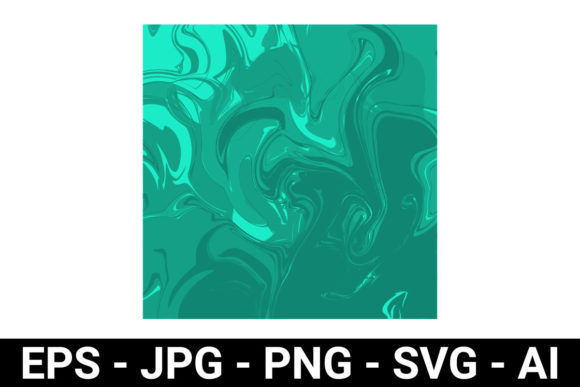
The design feels fluid and organic, with those soft swirls and marbling patterns. It evokes a sense of calm, modern creativity. It’s not loud or overly detailed, which is a huge advantage for embroidery. From a purely visual standpoint, this isn’t a design that fights for attention; it creates a beautiful stage. That tells me it’s perfect for projects where the background matters, but shouldn’t overwhelm. Think of a personalized tote bag where a name or logo sits proudly in the center, framed by this elegant marble texture. The visual personality is definitely leaning towards boutique, fashion-forward, or high-end gift items.
Where This Background Shines in Real Projects
I can see this working beautifully on a range of finished products. For custom apparel, like a premium sweatshirt or a linen apron, this marble background could elevate a simple monogram into something truly special. For handmade shop merchandise, such as pillow covers or tea towels, it adds a designer touch without being kitschy. In baby embroidery or nursery decor, on a blanket or a keepsake, it brings a gentle, artistic texture that’s far more interesting than a plain solid fill.
For commercial embroidery projects, like patches or caps, it could serve as a unique branded element behind a company logo, suggesting quality and style. As a digital product seller, including this in your library means offering clients a ready-made elegant foundation for their own creations. The provided file formats—AI, EPS, SVG, JPG, PNG—cover both digital design and machine embroidery preparation, which is very practical.
Thinking Through the Stitch: Practical Application Notes
How will this look after stitching? That’s the crucial question. The swirls and fluid shapes should translate well into fill stitches, creating a lovely textured effect. However, the level of detail means you need to consider stitch density. On very small hoop sizes, some of the finer marbling details might blend together or lose clarity. It’s a background, so it shouldn’t be overly dense, but you need enough coverage to make the pattern recognizable.
Fabric choice is key. On a smooth, tight-weave fabric like canvas for a tote bag, it will look crisp. On a textured fabric like a knit sweatshirt, the marble pattern will interact with the fabric’s own texture, which could be a really nice effect. On thin or stretchy fabric, like for a baby garment, a good stabilizer is non-negotiable to prevent puckering and to maintain that elegant look.
Caution Areas and Careful Considerations
There are places where I’d use this design a bit more carefully. On dark fabric backgrounds, you’d need to ensure your thread color choices have enough contrast to make the marble pattern visible—it might require a lighter, contrasting green or even a white/cream palette. On curved surfaces like caps, the larger, flowing layout might need some adjustment to fit the curved template without distortion.
For products that need frequent washing, like kitchen towels or everyday apparel, a well-digitized file with appropriate stitch density will help the design hold up over time. I wouldn’t recommend trying to shrink this down for tiny, detailed corners; it’s meant to be a generous background. And always, for any commercial use or selling finished items, confirm the licensing terms provided with the files.
Why This Design Adds Value to Your Work
From a business perspective, using a design like Green Tile Marble Perfect for Background affects more than just aesthetics. It boosts the perceived value of your handmade product. A simple monogram on a plain field looks nice; the same monogram on this marble background looks curated and professional. That builds customer trust and engagement. It makes a personalized gift feel more thoughtful and designed, not just assembled.
For brand consistency, if your shop leans into modern, elegant, or creative themes, this background can become a reusable asset across different products—totes, apparel, home goods—creating a cohesive look. In your Etsy listings or craft fair presentations, it helps your products stand out as being more visually sophisticated. Even in printable mockups for your digital product sales, it provides a beautiful preview that speaks to quality.
Embroidery Designer’s Checklist Before Hooping
Before I’d run this on a final project, my routine would be:
- Test on scrap fabric first. Use the same material and weight as your final project. See how the fill stitches lay.
- Check thread color contrast. Play with different greens and neutrals against your intended fabric color.
- Review the stitch density in your software. Ensure it’s suitable for your fabric and hoop size.
- Inspect the small details. Zoom in on the digitized file to see how the swirls are built.
- Test it in black and white mockups. This helps judge the pattern’s strength independent of color.
- Compare light and dark fabric backgrounds. Have a plan for both scenarios.
- Use the proper stabilizer. Match it to your fabric type—this is critical for a background design.
- Confirm its intended use. Is it clear for both personal and commercial projects? Don’t assume.
Embroidery is a translation from screen to stitch. The Green Tile Marble Perfect for Background design has a lot of potential to translate beautifully into projects that require a touch of understated elegance. It’s not the star of the show, but the perfect supporting actor that makes the entire presentation better. Whether you’re embellishing a holiday gift, building your small shop product line, or creating a custom client piece, it’s a background that works hard to elevate everything you put on top of it.