A Flexible Graphic Asset for Local Brand Packaging
The First Impression: Playful, Detailed, and Organic
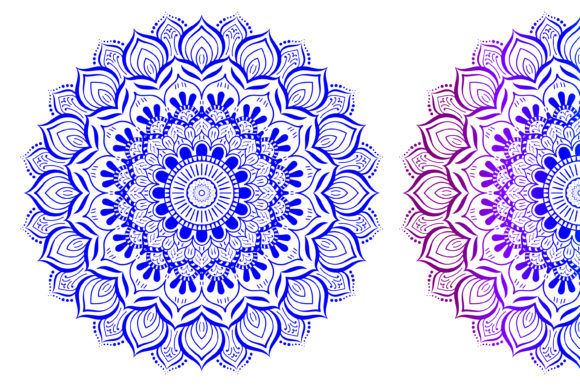
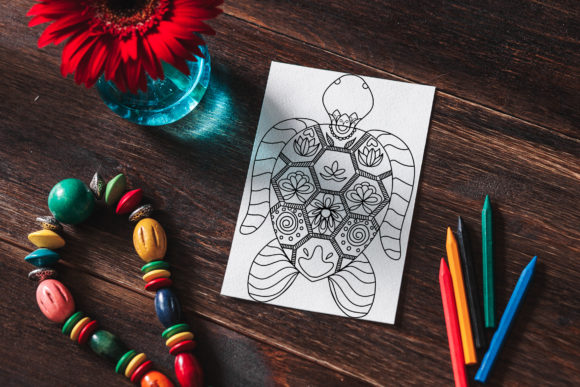
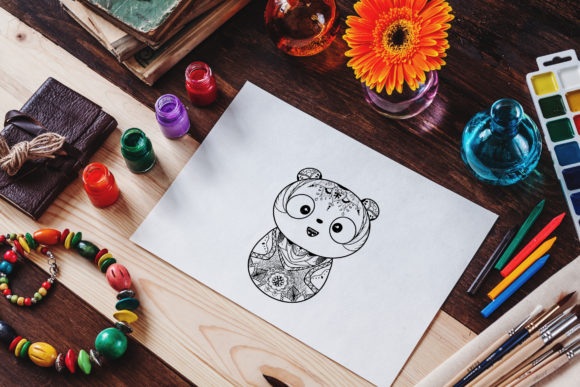
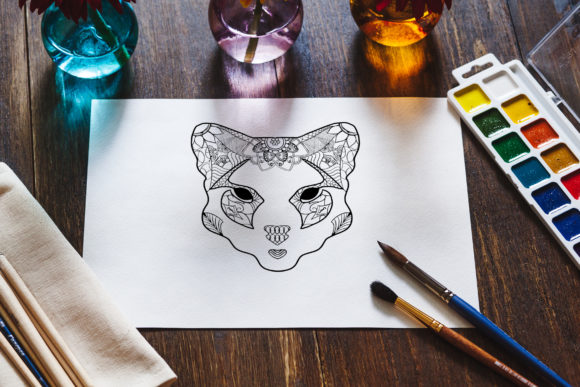
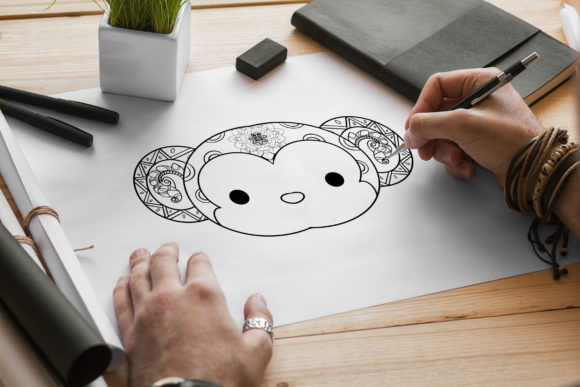
When I first opened the Monkey Mandala Coloring Pages, I was struck by the immediate mood it created. It felt playful yet detailed, organic, and decidedly handmade. The intricate patterns suggest a brand personality that is thoughtful, creative, and connected to nature. This isn't a generic, mass-produced aesthetic. For a local business, it whispers authenticity. I immediately pictured it fitting a boutique that values craftsmanship—perhaps a handmade soap company, a small-batch candle brand, or a children’s product line. It carries a soft, decorative feel that could easily lean towards festive or elegant depending on how you apply it.
Where This Asset Thrives in Real Business Design
As a designer working on a real project for a local artisan bakery, I saw numerous applications. This graphic design asset isn’t just for coloring books; it’s a versatile tool for commercial design. The detailed mandalas can be adapted as subtle branding elements.
- Logo Design & Brand Identity: A single, simplified element from the mandala could serve as a unique logo mark for a small business.
- Product Labels & Packaging Design: For jar labels, candle wraps, or soap boxes, these patterns create beautiful borders or background textures that elevate a simple label.
- Promotional Materials: Imagine these designs as the core visual for hang tags, thank-you cards, or stickers included with purchases. They instantly make a small business feel more curated.
- Marketing Visuals: For social media graphics, website banners, or promotional ads, these patterns provide ready-made, detailed artwork that feels cohesive. They can be used in product mockups to showcase packaging before it’s even printed.
- Seasonal Campaigns: With some color adjustments, the same asset can be used for holiday flyers or festive menu graphics, maintaining brand consistency year-round.
Building a More Trustworthy and Recognizable Brand
Using a consistent, high-quality visual element like the Monkey Mandala Coloring Pages supports business presentation in tangible ways. For my bakery client, it meant creating a stronger first impression on the shelf. A detailed, custom-looking label improves customer trust—it signals care. This asset helps establish clearer visual hierarchy on a package by providing a structured decorative frame for the product name. Ultimately, it leads to more professional packaging, better shelf appeal against competitors, and a stronger emotional connection through its artistic detail. The marketing visuals become more polished and consistent, which is crucial for a local business building its reputation.
Optimal Applications for Maximum Impact
This asset works best as an accent, not the sole focus. Think of it as a decorative brand element.
- Product Labels as Hero Graphics: Use a large, centered mandala on a round jar label for a skincare brand.
- Packaging Accents: As a repeating pattern on the inside of a gift box for a florist.
- Promotional Banners: A full mandala as a background for a social media campaign announcing a new coffee blend.
- Printable Inserts: On thank-you cards or care instructions for a handmade business.
- Seasonal Packaging: A recolored mandala on limited-edition holiday candle sleeves.
Situations Requiring Careful Application
It’s important to know where this style should be used carefully. The intricate detail is its strength, but also its limitation.
- Formal Corporate Branding: This playful, organic style likely clashes with a strict, corporate identity.
- Very Small Labels: On a tiny spice jar label, the detail might become muddy and unreadable.
- Crowded Layouts: If a product package has heavy ingredient lists or legal information, adding this pattern could compete with critical text.
- Low-Contrast Backgrounds: Using it over a similarly busy or low-contrast background will lose all definition.
- Luxury Minimalist Brands: For a brand aiming for ultra-clean, minimalist luxury, this decorative asset would be too ornate.
Practical Designer Notes Before Client Use
Before I commit to using the Monkey Mandala Coloring Pages for a client’s small business branding, I run through a checklist. This is crucial for any commercial design asset.
- Test on Real Mockups: Place the graphic on a digital mockup of the actual packaging—a coffee bag, a soap box—to see scale and context.
- Check Black and White Usage: How does it look in a single color or grayscale? Sometimes a pattern needs to work without full color.
- Preview on Small Labels: Print a test at the actual size of a small price tag or sticker to ensure the detail remains clear.
- Test with Brand Colors: Recolor the asset to match the client’s palette. Does it hold its character?
- Compare with Competitor Packaging: Hold the mockup beside a competitor’s product. Does it stand out or blend in?
- Review File Formats: Check the print quality of the provided files. If it’s an SVG, inspect the vector editability for custom adjustments.
- Font Compatibility Test: Place the mandala beside the chosen brand fonts—serif, sans serif, script. Does it complement or clash?
- Confirm Commercial Licensing: The most critical step: explicitly confirm the asset has a commercial license for use in physical product sales and client branding before any project begins.
The Final Take for Local Business Owners
For the artisan bakery, the florist, or the candle maker, the Monkey Mandala Coloring Pages offers more than a set of patterns. It offers a cohesive visual language. When used thoughtfully, it can transform a simple product into a presented brand. It builds consistency from the product label to the social media post. The key is to treat it as a flexible ingredient in your brand identity—not the entire recipe. It provides the decorative texture that makes a local business feel intentional, creative, and trustworthy. In a marketplace where shelf appeal and customer connection are everything, such a detailed and playful graphic design asset can be a quiet but powerful advantage.