A Practical Review for Embroidering Parents Day Cards
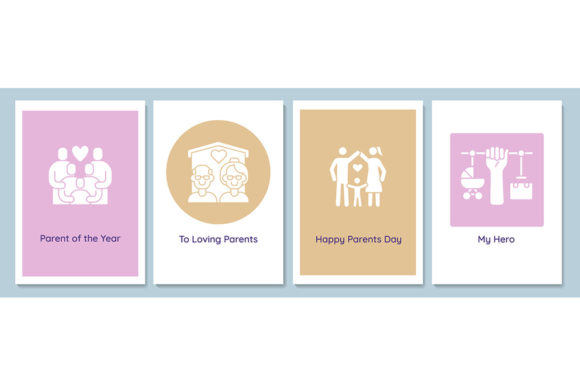
Let's talk about the "Wishing Happy Parents Day Greeting Cards" design from a real embroidery perspective. I'm looking at this not as a digital graphic, but as a stitched product. My first impression is that it has a clean, celebratory mood. The layout feels like a simple postcard, which is a great starting point. The glyph icons and minimal illustration suggest a design that's friendly without being overly fussy. It immediately makes me think of a personalized gift, something stitched with care rather than mass-produced flash.
Where This Design Finds Its Natural Home
This isn't a design for a complex, multi-hoop masterpiece. Its strength lies in its adaptability to heartfelt, everyday items. I can visualize it beautifully on a custom tote bag for a mom, carrying that special message. It would be charming on a kitchen towel or a pillow cover, adding a subtle celebratory touch to the home. For a baby item, like a blanket or a little sweatshirt, it could be a sweet "Grandparents Day" tribute from the little one. As an embroidered patch, it could be attached to a card itself or sewn onto a cap for a personalized gift. The simple postcard vector style translates well to these practical, handmade products.
For small business owners and Etsy sellers, this design offers a ready-made asset for holiday embroidery. It's perfect for creating a small line of Parents Day sweatshirt embroidery or tote bag designs without starting from scratch. The decorative invitation feel lends itself to boutique branding on tea towels or aprons sold as gift-ready merchandise. In my view, it elevates a basic product into a thoughtful, giftable item.
Considering the Stitch and the Surface
Now, for the practical judgment. The "minimal illustration" description is key. In embroidery, minimal often means cleaner stitching. I'd expect areas of fill stitch for the banner and perhaps satin stitch for the celebratory text. The glyph icons should translate well into crisp running stitch outlines or small fill areas. This is good news for stitch density—it likely won't be overly dense, making it suitable for a range of fabrics, from cotton tote bags to fleece blankets.
However, this also means we need to be careful with tiny lettering and detailed corners. On a small hoop size, those fine details could become muddy. Always test the embroidery file on scrap fabric first, especially if you plan to stitch it on textured fabrics like sweaters or on curved surfaces like caps. The design's clarity depends on good thread color contrast. On dark fabric, you'll need to plan your color palette carefully, and using proper stabilizer is non-negotiable to keep those simple shapes looking sharp.
The Real-Life Scenario: A Gift Tote Bag
Imagine you're preparing a custom embroidered tote bag as a Parents Day gift from a client. You load the "Wishing Happy Parents Day Greeting Cards" design. You've chosen a neutral linen bag and a warm, cheerful thread scheme. As it stitches, you watch the creative banner and glyph icons come to life. The outcome feels professional yet handmade—a combination that builds customer trust. The finished product isn't just a bag; it's a keepsake. That’s the visual appeal here: it adds perceived value through recognition and thoughtfulness. For an apparel decorator, this translates to a product that customers are more likely to engage with and purchase as a gift.
Notes for the Working Designer
Before committing to a real project, here are my practical embroidery designer notes. First, always check the actual embroidery file for stitch density and small details. Run a test on both light and dark fabric backgrounds to see how the minimal illustration holds up. Compare it in black and white mockups to assess contrast. This design, being a graphic template, should work well for printable mockups to showcase your finished product in your Etsy listings or small shop.
Crucially, confirm the licensing before selling finished items or commercial embroidery projects. The product category is Graphic Templates, and the type is Graphics, so you must verify whether your use for physical products or digital product previews is covered. Never assume. Also, consider fabric texture: on a thin or stretchy fabric, the design might need additional stabilizer support. For products that need frequent washing, like aprons or tea towels, ensure your thread choices are durable and the stitching is secure.
Final Thoughts on Commercial & Personal Use
The "Wishing Happy Parents Day Greeting Cards" design strikes me as a versatile tool. For the hobbyist making a personalized gift, it offers a professional-looking starting point. For the creative entrepreneur running a craft business, it's a design asset that can be adapted across product lines—from baby embroidery to holiday embroidery—while maintaining a consistent, friendly brand feel. Its success in any embroidery project hinges on your preparation: testing, contrasting, and stabilizing. When executed with care, it creates that blend of handmade presentation and polished professionalism that makes a product truly special.