A Real Designer's Review of Christmas Stars Ornament Cutting Crafts
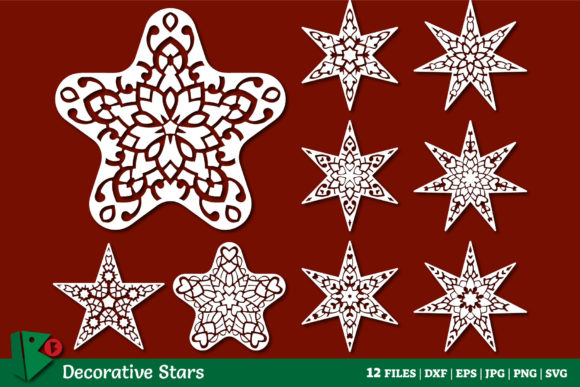
When you’re selecting embroidery designs for client work or your own product line, the first impression is everything. The title Christmas Stars Ornament Cutting Crafts immediately sets a festive, craft-forward mood. It promises a collection of decorative stars, likely ornamental in style, which feels classic yet versatile. The shapes I imagine are likely clean, geometric, and perfect for the holiday season—a visual personality that is celebratory without being overly childish. This isn’t a whimsical cartoon scene; it’s a graphic element meant for decoration and cutting crafts, which translates beautifully into structured embroidery motifs.
Where This Design Finds Its Perfect Home
In my hands, this set feels destined for projects that require a touch of holiday elegance. I immediately picture a custom embroidered pillow cover for a boutique home decor shop, or a set of kitchen towels as a festive gift bundle. The star motifs, being ornamental, would stitch out with crisp definition, making them ideal for smaller, repeated applications. For an Etsy seller focusing on personalized gifts, imagine a baby’s Christmas sweater or a nursery decor blanket with a single, beautifully stitched star—it’s understated and sweet.
For commercial embroidery projects, like a line of embroidered caps or tote bags for a small business’s holiday promotion, these stars offer branding consistency. They’re recognizable symbols of the season that customers connect with instantly, boosting the giftability and visual appeal of the finished product. In a printable mockup for a digital product seller, these clean shapes would render sharply, giving potential buyers a clear, professional preview of the final embroidered item.
The Stitching Reality: Bright Spots and Considerations
Embroidery is a translation from digital file to physical thread. The success of Christmas Stars Ornament Cutting Crafts hinges on its detail level. If the designs are intended for cutting crafts, their outlines should be clear and not overly intricate. This is a significant advantage for embroidery: clean shapes mean better stitching clarity. Satin stitch borders would be smooth, and fill stitch areas, if present, would be manageable without excessive stitch density. This leads to a polished handmade presentation that builds customer trust—they see a clean, professional finish.
However, this type of graphic design demands careful placement. On stretchy fabric like a t-shirt, using proper stabilizer is non-optional to prevent distortion of those precise star shapes. On dark fabric backgrounds, thread color contrast is paramount; a gold or silver thread on navy would be stunning, but a white might get lost. The design’s potential corners and points need attention. Embroidering on a curved surface like a cap requires testing to ensure those sharp star points don’t get compromised by the seam curvature.
Scenarios Where This Design Might Struggle
A practical review means acknowledging limits. If the stars contain very small details or tiny interior cut-outs, they could become problematic at smaller hoop sizes. The thread might bunch or the detail could blur, reducing that crisp visual appeal. On highly textured fabrics, like a thick sweater, the design’s clarity could soften, which might be a desired effect for a cozy look, but not if you’re aiming for sharp definition.
For products destined for frequent washing, like aprons or tea towels, a simpler design with fewer dense stitch areas is often more durable. If this star set is more outline-based, it would fare well. If it involves large filled areas, the wear and tear might be more noticeable over time. Always consider the end-use. A star embroidered on a wedding gift pillow cover, which is decorative, has different durability needs than a star on a child’s play apron.
Boosting Your Product's Value With This Asset
Using a design like this effectively can elevate your entire product. For a craft business owner, it allows for a cohesive holiday line—the same star motif can scale from a small embroidered patch to a large sweatshirt embroidery, creating strong brand consistency. This recognition directly influences buyer engagement; customers remember a beautiful, consistent aesthetic.
The handmade presentation feels intentional and skilled, which increases the perceived value of your custom apparel or small shop merchandise. A well-stitched, classic holiday star on a tote bag doesn’t scream “generic”; it whispers “carefully made.” That’s the power of a good design file executed well. It turns a simple craft into a professional finished product.
A Designer's Practical Checklist Before You Stitch
Before you commit this design to a client’s project or your next Etsy listing, run through these real-world notes. They save time, thread, and frustration.
- Test on scrap fabric first. Use the same material you plan for the final project. See how the shapes translate.
- Check thread color contrast. Stitch a sample on both light and dark backgrounds to choose your palette.
- Review the stitch density in your software. If it’s an embroidery file, look for overly dense areas that might pucker your fabric.
- Confirm your hoop size can accommodate the design cleanly. Especially if you plan to stitch multiples.
- Inspect small details. Are any interior lines too fine for your machine or chosen thread weight?
- Use proper stabilizer for your fabric type. This is not a step to skip for graphic, clean-edged designs.
- Check the licensing. The description states suitability for all kinds of designs. Clarify if it’s approved for both personal and commercial embroidery projects before selling finished items.
Remember, the product category is Crafts and the type is Graphics. This implies broad usability, but specifics like exact file formats for machine embroidery or whether it includes an applique design layout aren’t detailed here. You must verify those details match your needs. If it’s an SVG, you’ll likely be converting or using it as a template for digitizing.
The Final Stitch: A Design Worth Incorporating
From a professional designer’s perspective, Christmas Stars Ornament Cutting Crafts presents a solid, festive graphic asset. Its ornamental nature gives it a timeless quality that suits a wide range of embroidery projects—from heartfelt personalized gifts to scalable commercial merchandise. Its success in the real world depends on your mindful application: choosing the right fabric, thread, and product context. When paired with careful craftsmanship, this design can help create holiday products that feel both handmade and professionally polished, exactly what today’s crafters and customers are looking for.