A Sunflower Design for Embroidered Joy and Personalized Warmth
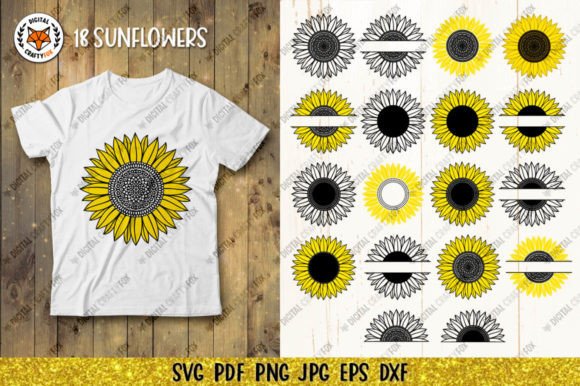
When I first opened the Sunflower Mandala and Sunflower Monogram design files, I felt a genuine sense of warmth. It’s not just another floral pattern. This design brings a specific, cheerful personality to the screen that immediately translates into a clear vision for a finished, stitched project. The combination of a decorative, circular mandala with the split-letter monogram option is a thoughtful pairing. It speaks directly to crafters and small business owners who want to offer both a beautiful stand-alone motif and a deeply personalized option.
The Mood It Creates and Where It Naturally Belongs
The sunflower motif itself is universally uplifting, but the mandala layout gives it a grounded, almost meditative feel. It’s happy, but not chaotic. The split monogram—where the letter is integrated within the sunflower’s form—adds a layer of intimate customization. This isn’t a design you’d use for a corporate logo; it’s for projects that carry personal meaning. I immediately pictured it on a custom baby blanket for a nursery, a personalized apron for a home cook, or as the central feature on a keepsake pillow cover for a wedding gift. The mood is friendly, handmade, and gift-ready.
Thinking Through a Real Project: The Embroidered Tote Bag
Let’s walk through a real scenario. Imagine you’re an Etsy seller preparing a custom embroidered tote bag for a client who wants a unique gift for her friend. You’re considering using the Sunflower Mandala as the main artwork. The circular shape is perfect for a centered placement on the bag’s front panel. The level of detail—the petals, the central seed pattern—promises a rich texture when stitched out. You’d likely use a combination of fill stitches for the solid areas and satin stitches for definition. The finished product would feel substantial and carefully made, not just a simple outline.
If the client wanted to include the friend’s initial, the Sunflower Monogram file seamlessly integrates that personal touch. You’d need to consider how the letterform interacts with the petals in the stitching process, ensuring the split design remains clear and legible after embroidery. On a sturdy canvas tote bag, with proper stabilizer, this design would shine, creating a product that feels both artistic and personal—exactly what small shop customers are looking for.
Performance Across Real-Life Embroidery Situations
This design’s versatility, hinted at in its description for textiles and various items, is its strong suit. For apparel decorators, it would make a striking feature on the back of a sweatshirt or the front of a simple t-shirt, provided the fabric is stable. For handmade shop owners, think beyond clothing: embroidered pillow covers, kitchen towels, or even as a decorative patch applied to a bag instantly elevate ordinary items into boutique merchandise.
The design’s visual appeal directly impacts product value and customer trust. A well-executed embroidery of this sunflower, with clean stitches and good color contrast, presents as professional and high-quality. It tells a buyer that you, the maker, invested care into the item. This builds brand consistency for a creative entrepreneur whose shop revolves around nature-inspired, personalized goods. For holiday gifts or wedding presents, its inherent warmth and customization options make it exceptionally “giftable.”
Where It Requires a Designer’s Careful Attention
While versatile, this design demands practical judgment. The mandala likely contains areas of density, and the monogram incorporates fine details. On very small hoop sizes or on textured fabrics like loose knits, some of that intricacy might get lost. Stitching it on dark fabric requires a meticulous thread color selection plan to ensure the sunflower’s bright personality isn’t muted.
Curved surfaces like caps can be tricky; the circular mandala may need adjustment or testing to sit correctly on the curved crown. Similarly, products destined for frequent washing, like baby clothes or aprons, need a robust stitch execution and appropriate threads to ensure longevity. The tiny lettering in the monogram variant is a point to inspect closely in your test stitch-out—if it’s too fine, it may not read clearly on certain materials.
Affecting Engagement and Professionalism
Using a design like this effectively does more than decorate a product. It engages a buyer emotionally. Sunflowers carry recognition and positive association. Coupled with the option for a personal initial, it creates a direct connection. For your Etsy listing or craft fair display, an item featuring this embroidery tells a story before a word is spoken. It suggests handmade presentation with a professional finish, which is the sweet spot for today’s craft business.
Essential Practical Notes for the Embroidery Designer
Before committing this design to a client project or a batch of small shop merchandise, your workflow should include a few key steps.
- Always test on scrap fabric first. Use the same material and stabilizer you plan for the final product. This reveals how stitch density behaves and whether any small details in the monogram need attention.
- Check thread color contrast rigorously. Run digital mockups in black and white to check value contrast, and then test actual thread swatches against your light and dark fabric backgrounds.
- Confirm your hoop size can accommodate the design comfortably without forcing excessive compression of details.
- Use the proper stabilizer for your chosen fabric. A design with this potential density on a t-shirt or stretchy fabric requires a good stabilizer to prevent puckering.
- Crucially, confirm the licensing terms of the embroidery file. The product description mentions suitability for textiles and various items, but you must verify whether it’s licensed for personal use, commercial use, or both before selling finished items or using it in digital product previews for your shop.
This Sunflower Mandala and Sunflower Monogram design is a graphics asset with genuine heart. It’s not a cold, technical file; it’s a blueprint for creating embroidered products that feel warm, personalized, and carefully crafted. By approaching it with a designer’s practical eye—testing, adapting, and selecting the right project foundations—you can transform it from a digital graphic into finished products that truly resonate with customers and gift recipients. It’s a design that, when stitched well, carries the maker’s care right into the hands of the user.